Kolomag – African Business Magazine

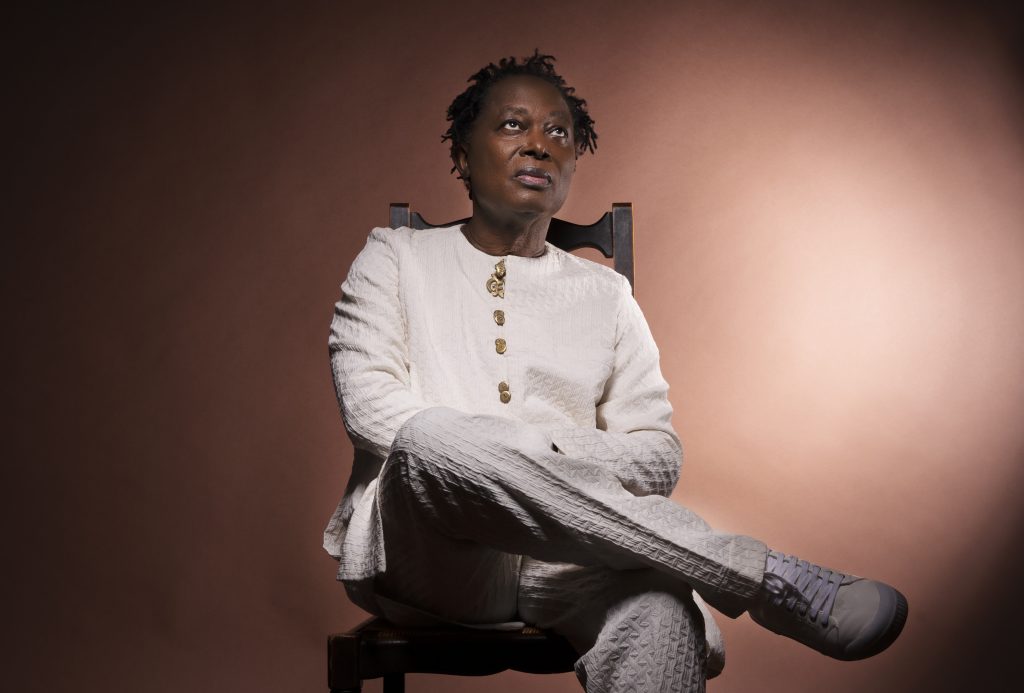
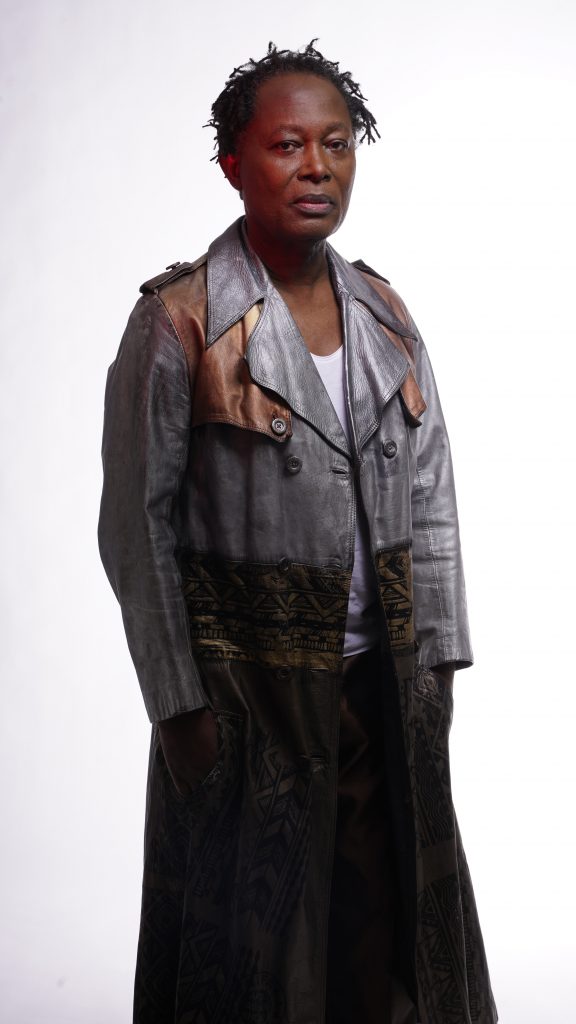
Lokua Kanza

Artiste, Musicien

TOPLINE

AN ETERNAL VOICE

KM: You were born in 1958 in Belgian Congo, now the Democratic Republic of Congo. You have played on the biggest stages in the world, and made many prestigious collaborations. How does the artist LokuaKanza define himself today

LK: It is not easy to talk about one’s self. When we look at each other, we tell ourselves that we are not yet accomplished. I would say that I am an artist who still wants to learn, to progress and above all, to leave something to the generation that will come after.

KM: Can we say it’s the last curtain call in your illustrious career

LK: It’s very important to exit while leaving something tangible and authentic. In other words, a foundation on which the younger generation can learn while having fun in the process.

KM: Recently, you have been seen with a group of young artists in the streets of Kinshasa. Is this a musical transition to the next generation

LK: Indeed. I started an orchestra in Kinshasa. We’ve been working together for 3 years. I announced exclusively that I will be touring the world with this group.

KM: The new generation of artists come up with new songs faster unlike your generation. Compositions are done in a hurry, thanks to digital media. It is practically impossible to see an orchestra playing live in a recording session. What is your opinion on this musical trend in the African music landscape

LK: We often forget that music is an art, and each artistic work is very demanding and requires time. However, we are in an era where we confuse rapid success with art. Artists are in a haste to earn money and fame yet forget that an artist, needs at least 10 to 15 years of work to be labeled an artist. For example, the great Manu Dibango of blessed memory was our sphinx and our guide. At his advanced age, Manu continued to work hours non-stop. He spent all his time working. However, today, many young artists do not possess the same work ethics.

“I fought my entire life so these young and talented musicians can forge ahead ”.

KM : You mentioned Manu Dibango. It seems his country, Cameroon, represents something precious to you. What explains this attachment to Cameroonian music and its musicians

LK: My history with Cameroon dates back with artists like EboaLotin. When I was a child, I interpreted his songs. Afterwards, it was Uncle Manu Dibango, of whom I remain a lifelong fan. I had the honor of being one of his choristers. Manu Dibango was quite a demanding person. He shed light on our continent through his musical artistry. I would like the younger generation to listen to his works. It’s like a book. He is our Mozart, our Beethoven.There was also Bébé Manga, Richard Bona, Charlotte Dipanda. I am a fan of Cameroon. I think it’s a country that gives a lot to Africa, through its liveliness and musicality. I have a close relationship with Cameroon. In my album “Moko”, I sing in the Douala language (A vernacular language of Cameroon, Editor’s note).

“ Manu Dibango … was our Mozart, our Beethoven ” .

KM: Your last album “Moko” took 8 years to be released. Why did it take so long

LK: It is because I wanted to do a great job. I wanted a product that will last for years. I assembled some great musicians; Richard Bona, Paco, Sidiki Diabaté and his father, the best arrangers in the United States. I mobilized about 100 artists. Traveling around the world to work with these artists also took time. In addition, Covid-19 delayed our progress by two years.

KM: The album “Moko” is particularly intriguing because you worked on it with your son. Tell us about this collaboration and experience

LK: It wasn’t easy at first, but it was a magical moment working with my son. Once we understood each other, we were cruising from there forward and the collaboration went well. My son is an excellent sound engineer. He brought a lot of ingenuity to the project.

KM: You play several instruments. What instrument are you most passionate about

LK: I love them all. But I compose more with the piano and the guitar. “Each instrument is unique and different”.

KM : What do you think of Playback? Could we see you playing in this style

LK: I cannot perform an entire concert with play back. I might be able to perform a song using playback with the right technical elements.

KM: You have done many collaborations with music stars. Which artist left an indelible impact

LK: They are all different and very enriching. If I give a name, others could feel slighted. However, I have a name that is unique and captivating. When I was 13, I was at the 20th May stadium in Kinshasa. I had the honor to see a woman sing in a manner that drove me crazy. Her name was Miriam Makeba. When she sang, I told myself, I want to be like this lady. In general, men look up to other men like themselves. However, my role model was this woman. The day I had the chance to be in the same studio with Miriam Makeba, singing my “poor” songs, I cried like a child. It is a moment in my life I will never forget.

“At age 13… I had the honor to see a woman sing in a manner that drove me crazy. Her name was Miriam Makeba ” .

KM: We saw you on the television show “The Voice Afrique Francophone”, with many young artists. What is your opinion on the sustenance and longevity of African music

LK: Honestly, when I was offered “The Voice” for the first time, I refused, because I am not a fan of all the “bling bling”. Time and time again, my manager had to insist. She told me that I had to do “The Voice”. After declining the offer, she came back to me and said, “You know, you’ve always dreamed of helping young people, and here’s an opportunity to do it.” There right away, I accepted because she had just struck a nerve. I went there, and it was the best musical experience of my life. It made me happy to see how this continent is full of talent. I fought my entire life so these young and talented musicians can forge forward. Programs like “The Voice” should be encouraged. The future of African music is very bright.

“We are in an era where we confuse rapid success with art”.